
Are Ultra Processed Foods Safe for Kids? What Parents Need to Know
July 31, 2026
Smart Snacking: How to Choose Balanced Snacks for Growing Kids
September 1, 2026
You pack a lunch every morning. You try to include something healthy, something your child likes, and maybe even a fruit or vegetable. But then the lunchbox comes home almost untouched.
Sound familiar?
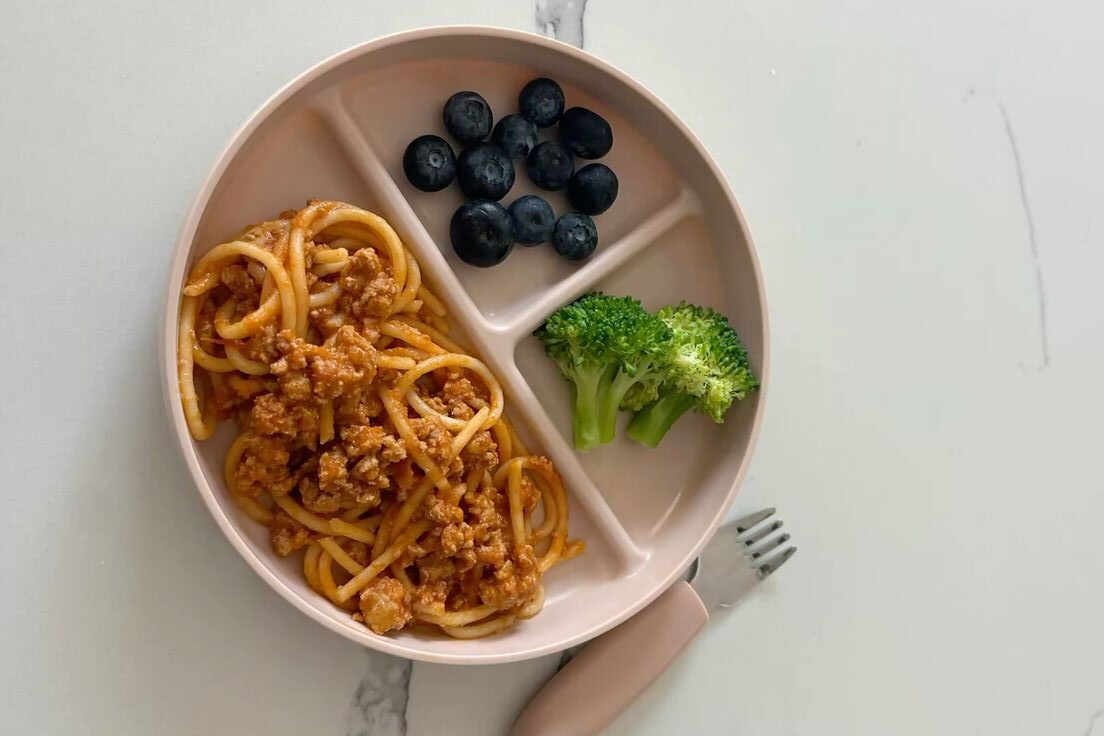
A lunch can look full and still miss some of the foods a growing child needs. A nutritious childs lunch should include a variety of vegetables and fruits, whole-grain foods, and protein foods as part of a healthy eating pattern.
If you are wondering whether your childs lunch is giving them enough variety, here are five signs to watch for.
1. The Lunchbox Comes Home Almost Full

One of the clearest signs is also one parents notice every day: your child simply is not eating the lunch.
It is easy to assume that a child is being picky, but sometimes the problem is the meal itself. The food may be difficult to eat quickly, too unfamiliar, repetitive, or simply not something your child enjoys.
A nutritious meal only helps when a child is actually willing to eat it.
Try offering familiar foods alongside new ones instead of making the entire meal something unfamiliar. Health Canada also recommends repeatedly offering foods children initially reject, as children may become more comfortable with new foods over time.
If your childs lunch regularly comes home untouched, it may be time to look at both nutrition and what your child actually enjoys eating.
2. There Is Little or No Protein
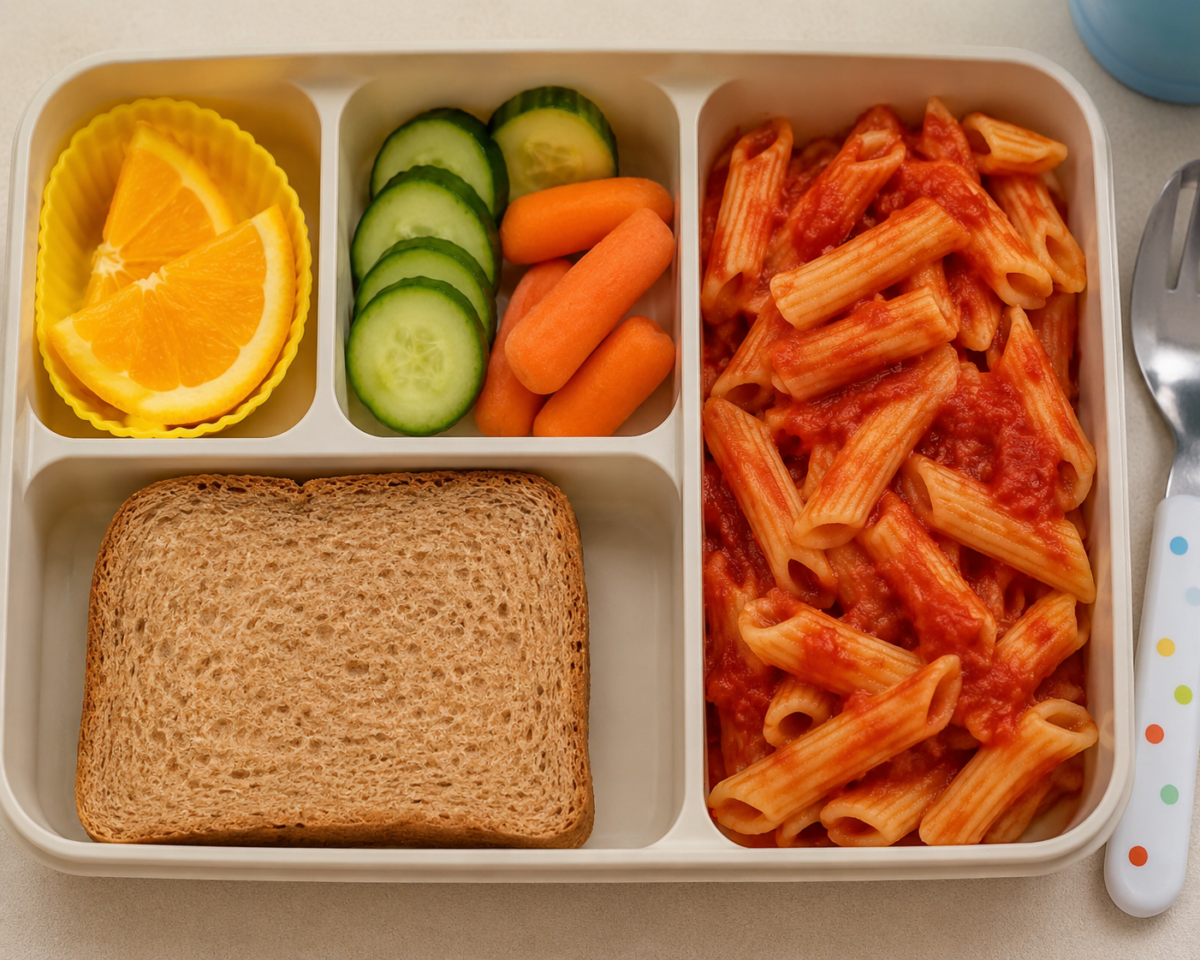
Does lunch usually consist of crackers, bread, fruit, or a small snack?
Those foods can have a place in a meal, but children also need protein foods as part of a varied eating pattern. Protein choices can include eggs, beans, lentils, chicken, fish, yogurt, tofu, nuts and seeds, depending on the child’s age, allergies, and school policies.
A simple way to improve a meal is to pair familiar foods with a protein source. For example, rice with chicken, whole grain pasta with beans, or a vegetable quesadilla with a protein-rich filling can make lunch more satisfying.
When parents search for healthy lunch ideas, they often do not need complicated recipes. They need meals that are nutritious, practical, and realistic for a school day.
3. Vegetables and Fruit Are Missing
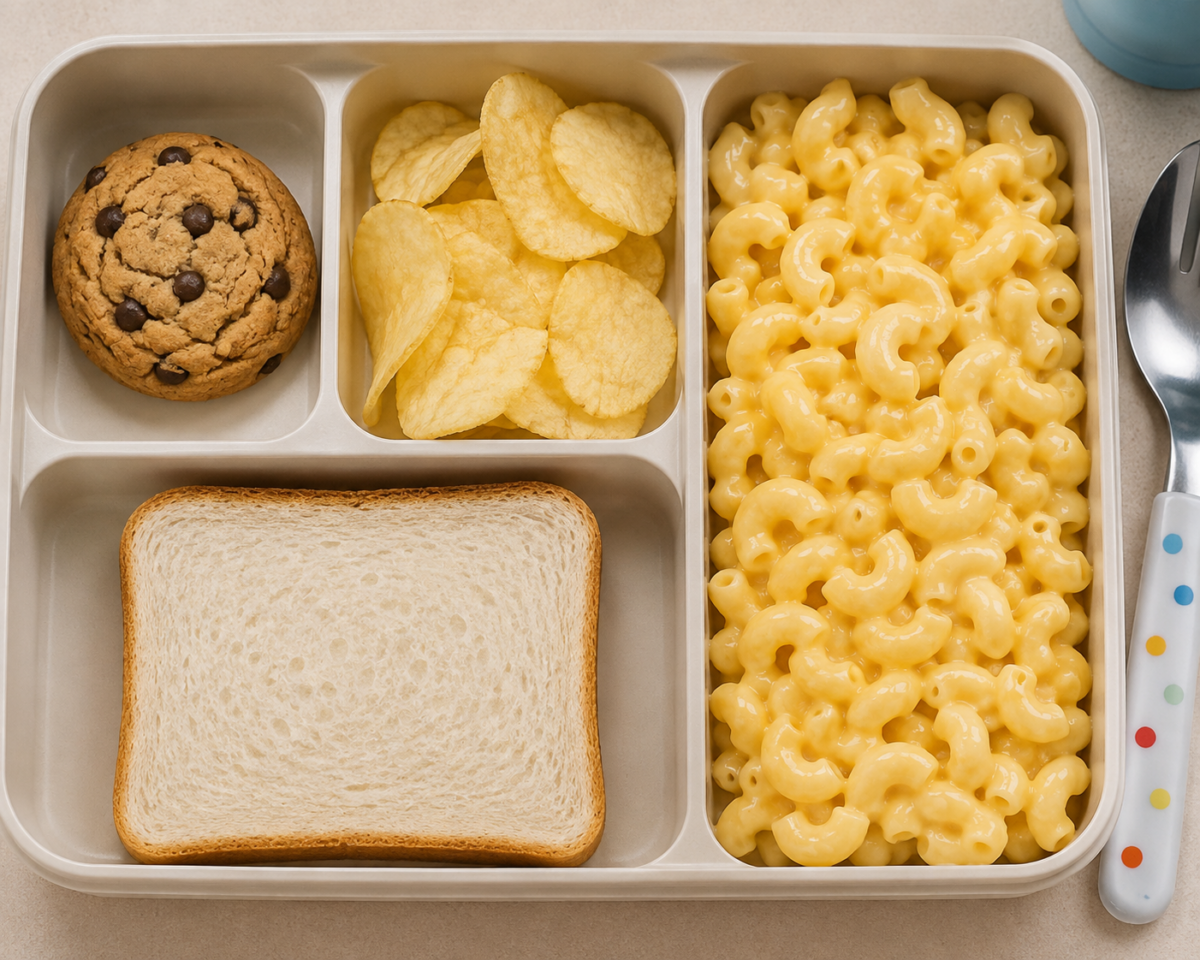
Take a quick look at your child’s lunchbox.
Is there any fruit or vegetable?
Canada’s Food Guide recommends making vegetables and fruits the largest proportion of a healthy meal. That does not mean every lunch needs to look perfect or that a child must finish every vegetable served.
Instead, focus on variety.
Try foods your child already accepts: sliced apples, berries, carrots, cucumber, peas, sweet potatoes, or other fruits and vegetables they enjoy. You can also include vegetables in familiar meals such as pasta, rice dishes, wraps, soups, or quesadillas.
The goal is not to create a perfect lunchbox. It is to make nutritious foods a normal part of lunchtime.
4. The Meal Is Mostly Refined or Highly Processed Foods
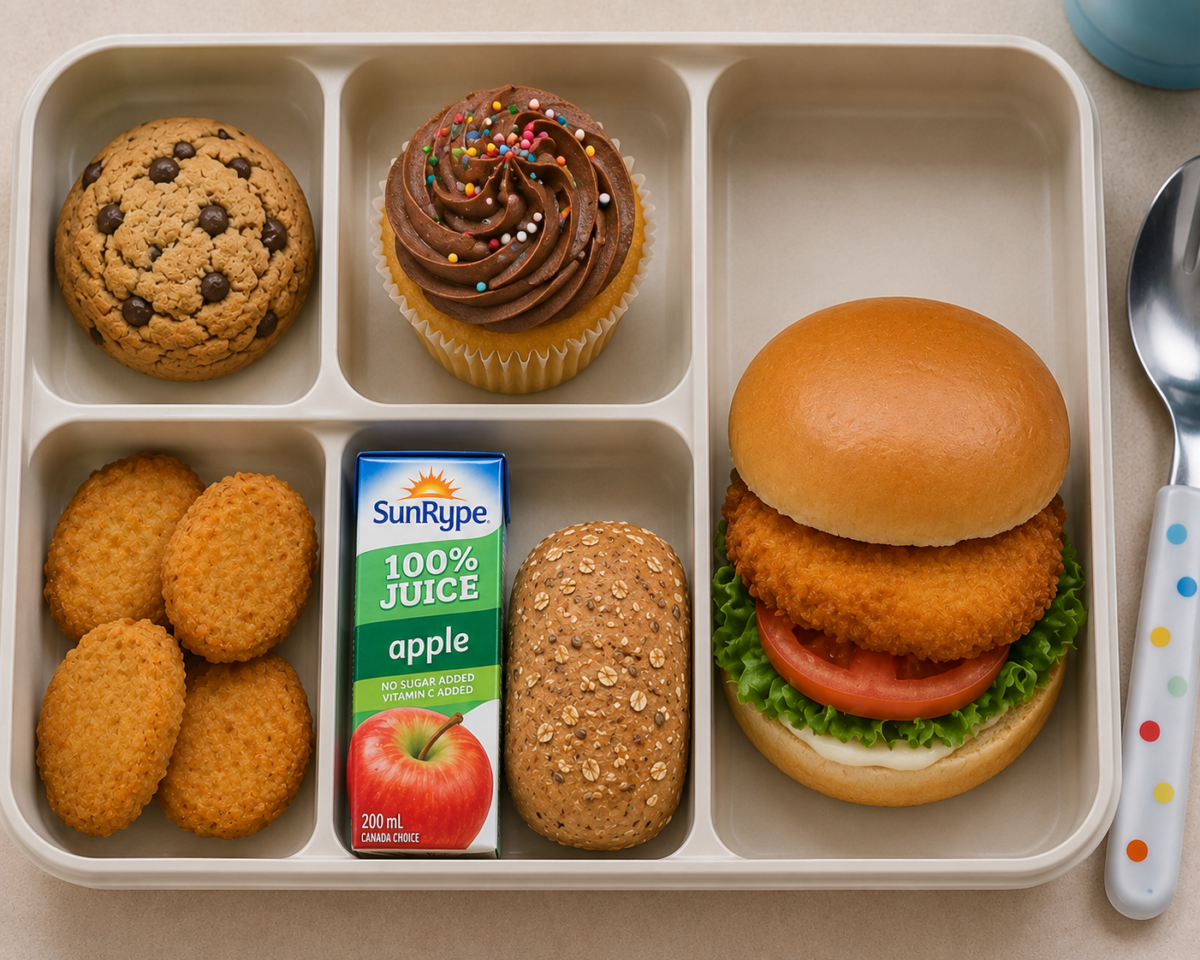
Convenience matters. Parents are busy, and packaged foods can make mornings easier. But if most lunches rely on highly processed foods, the meal may not provide the variety your child needs.
Health Canada recommends regularly eating vegetables and fruits, whole grain foods, and protein foods while limiting highly processed foods.
Look for simple swaps rather than completely changing everything at once.
For example, choose whole grain bread or pasta when possible, add fruit instead of relying only on a packaged sweet snack, or pair a familiar convenience food with a protein or vegetable.
Whole grain foods can provide fibre, vitamins, and minerals and include options such as whole grain pasta, oats, quinoa, brown rice, and whole grain bread.
A balanced childs lunch does not have to be complicated. A few thoughtful additions can make a big difference
5. Your Child Is Hungry Again Very Soon
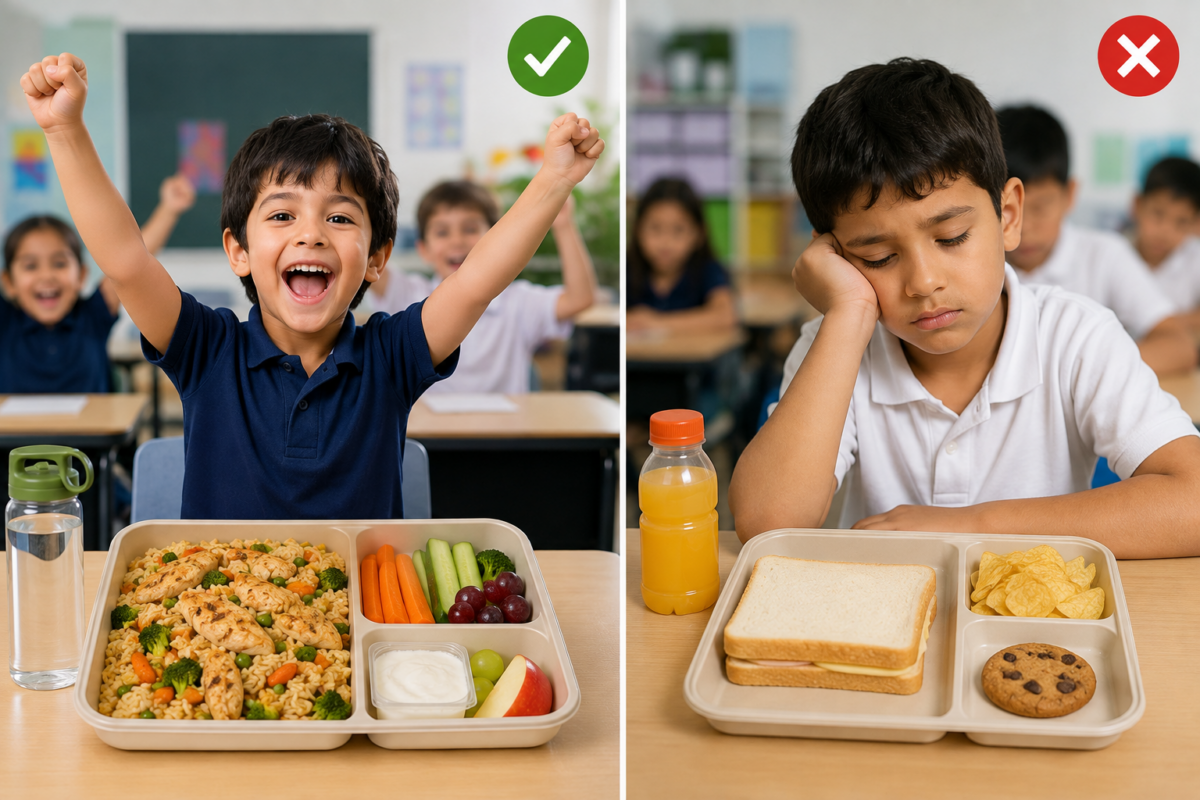
Does your child complain about being hungry shortly after lunch?
It may be worth looking at what the meal contains rather than simply increasing the number of snacks.
A lunch made from several food groups can offer more variety than one built around a single type of food. Combining a protein food, whole grain food, and fruit or vegetables can create a more complete meal.
For example, a chicken and rice meal with vegetables can be a practical option. A lentil dish with rice and vegetables can also provide a combination of nutritious foods.
For children who prefer warm meals, hot lunches can make school mealtime feel more like a proper meal rather than another snack. The important thing is that the meal is appropriate for the child’s needs, preferences, and school environment.
What Should a Better School Lunch Look Like?
There is no single “perfect” lunch for every child.
A better approach is to build meals around variety: vegetables and fruits, whole grains, and protein foods, while choosing water as the main drink.
For parents, the biggest challenge is often not knowing what is healthy. It is finding the time to plan, prepare, pack, and repeat that process every school day.
That is where a reliable school meal service can help.
A Better Lunch Can Make Busy School Days Easier
At Kidssentials, we understand that parents and schools need more than food that simply fills a lunchbox. Meals need to be practical for children, enjoyable enough to eat, and thoughtfully planned for school environments.
Our school meal service gives schools and childcare centres a convenient way to provide prepared meals without putting the entire responsibility of daily lunch planning on teachers, staff, or parents.
For families, this can mean one less thing to worry about on busy mornings.
For schools and childcare centres, it means having a dependable meal partner that understands the needs of children and school mealtimes.
If your childs lunch keeps coming home untouched, lacks variety, or has become another daily source of stress, you do not have to solve the problem alone.
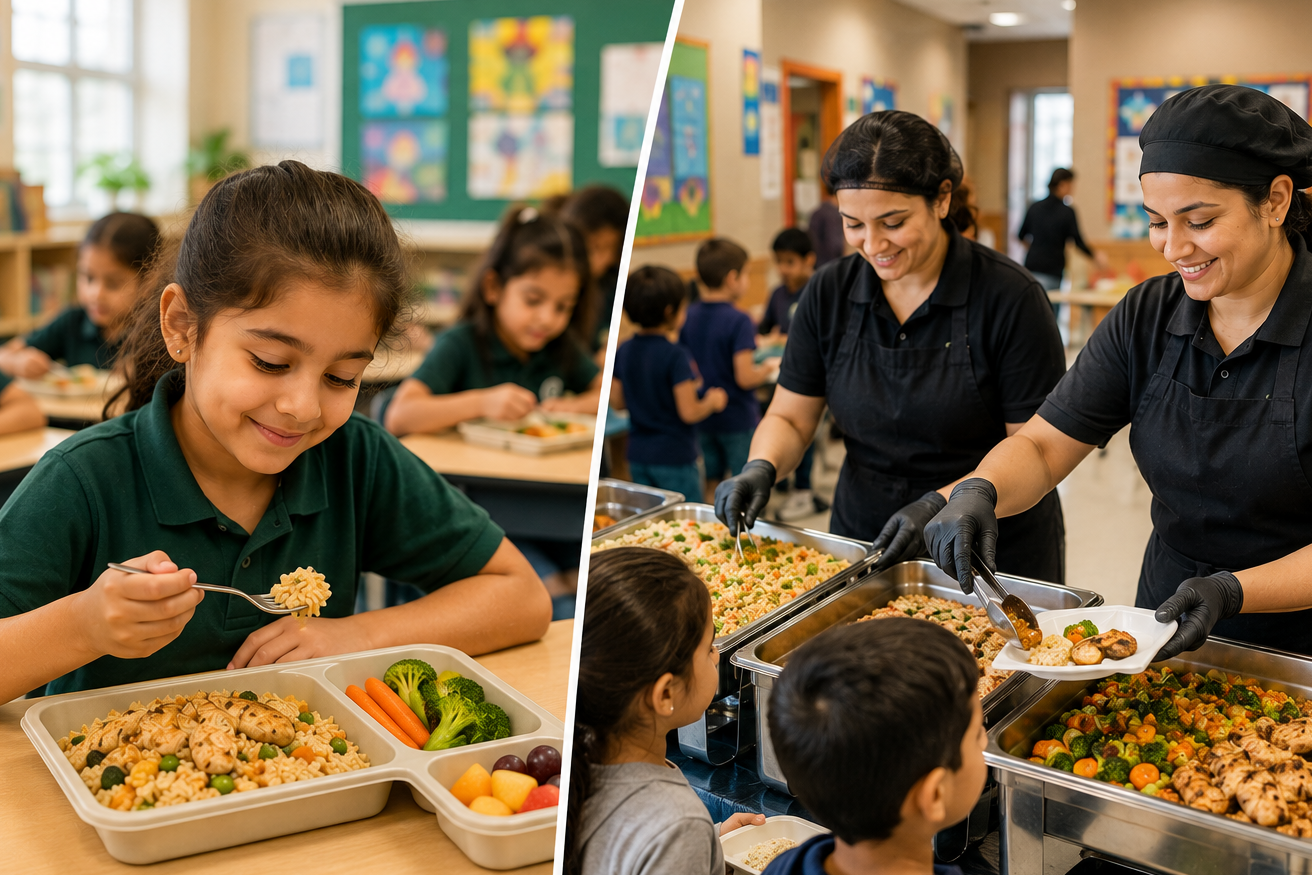
Explore Kidssentials and see how our school meal and catering services can make nutritious mealtimes easier for families, schools, and childcare centres.
A better lunch does not need to be complicated. It simply needs to give children a variety of foods they can enjoy as they learn, play, and grow.