
Nutritious Snacks for Children: Tiny Bites, Big Benefits
December 9, 2025
A Fresh Start to 2026 with Healthy Food: Gratitude, Growth, and Nourishing Young Lives
January 10, 2026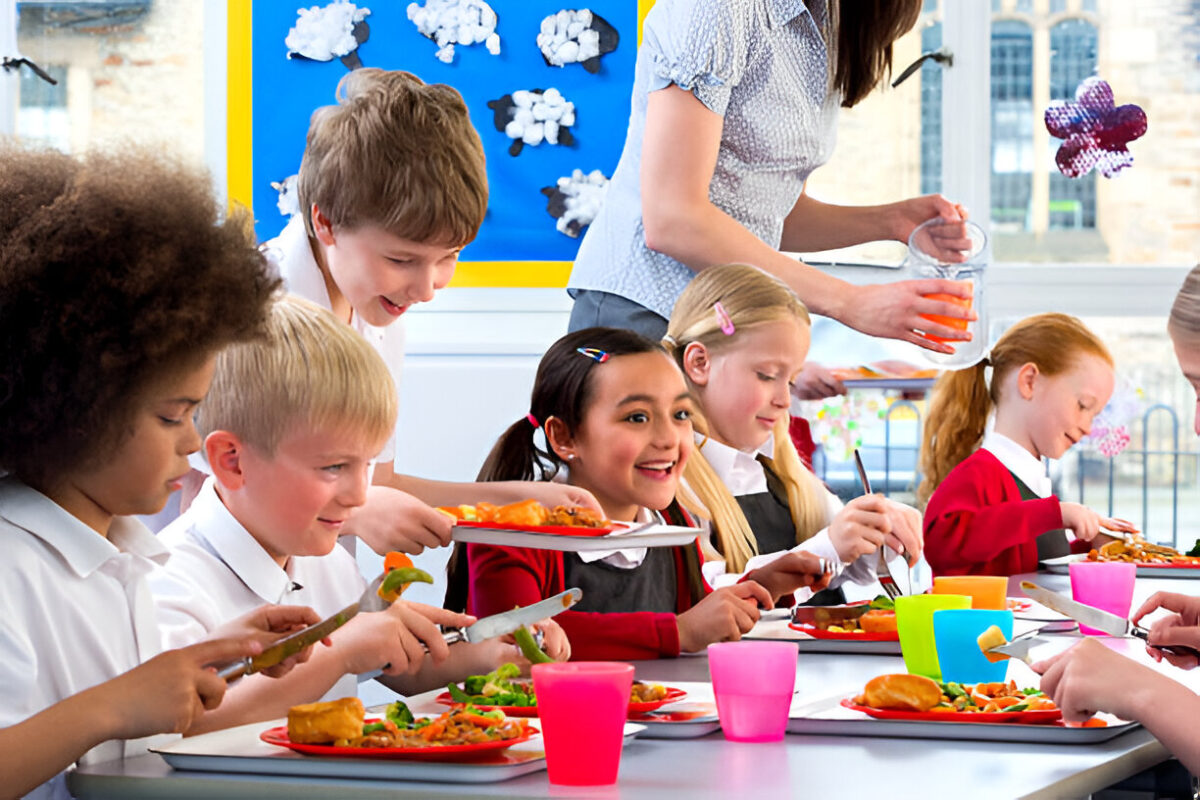
At 7:30 a.m., the kitchen is already loud. Lunch boxes are open, shoes are missing, and someone suddenly remembers they don’t like “that food anymore.”

This is the real moment where a school lunch is decided, not in a nutrition chart, but in everyday life.
Most parents aren’t trying to be perfect. They’re trying to be practical. Between work schedules, school timings, and picky preferences, the real question isn’t what looks ideal on paper, but what actually works for kids in real life.
The Lunch Box Isn’t Just About Food
A school lunch quietly shapes a child’s day in ways many people don’t notice immediately. It affects how long they stay active, how well they listen in class, and even how patient they are with friends. When lunch is too heavy, too sugary, or poorly balanced, kids feel it before adults connect the dots.
That’s why the best lunches don’t follow online trends or viral ideas. They follow one simple rule: keep kids comfortable, energized, and satisfied so they can focus on being kids.
What Kids Really Need Midday
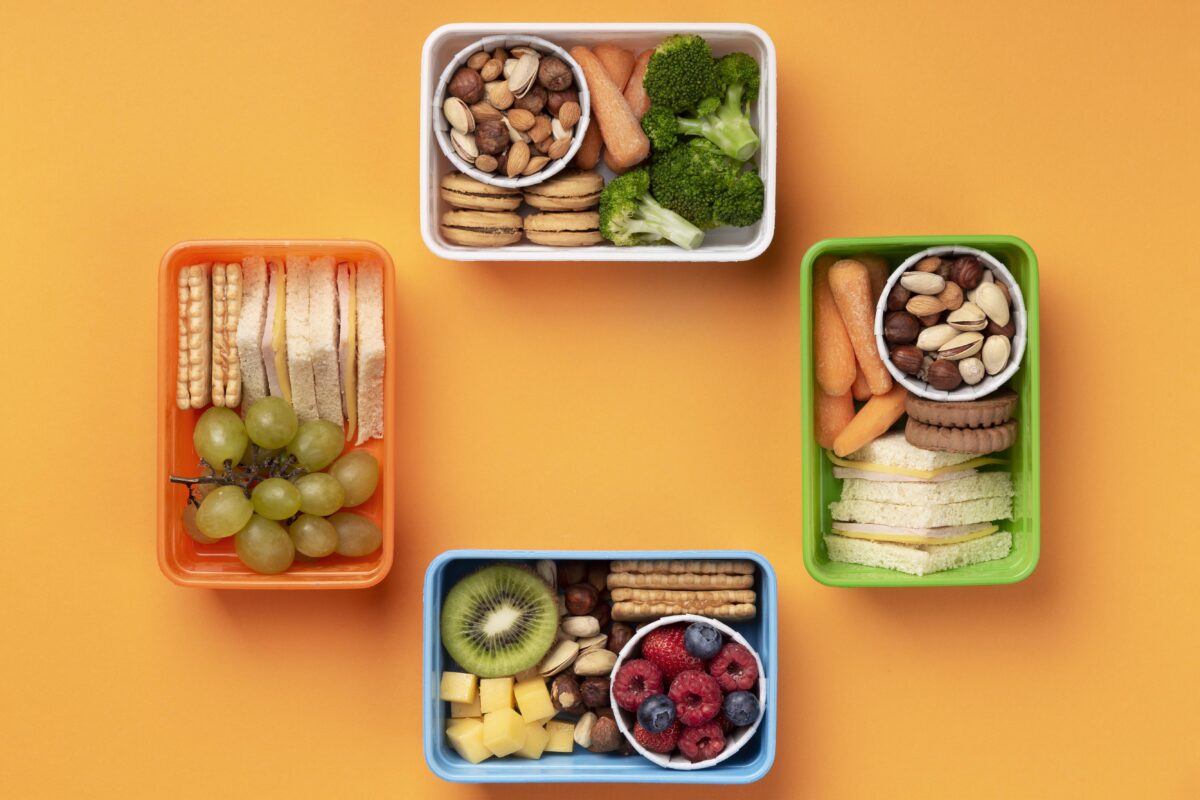
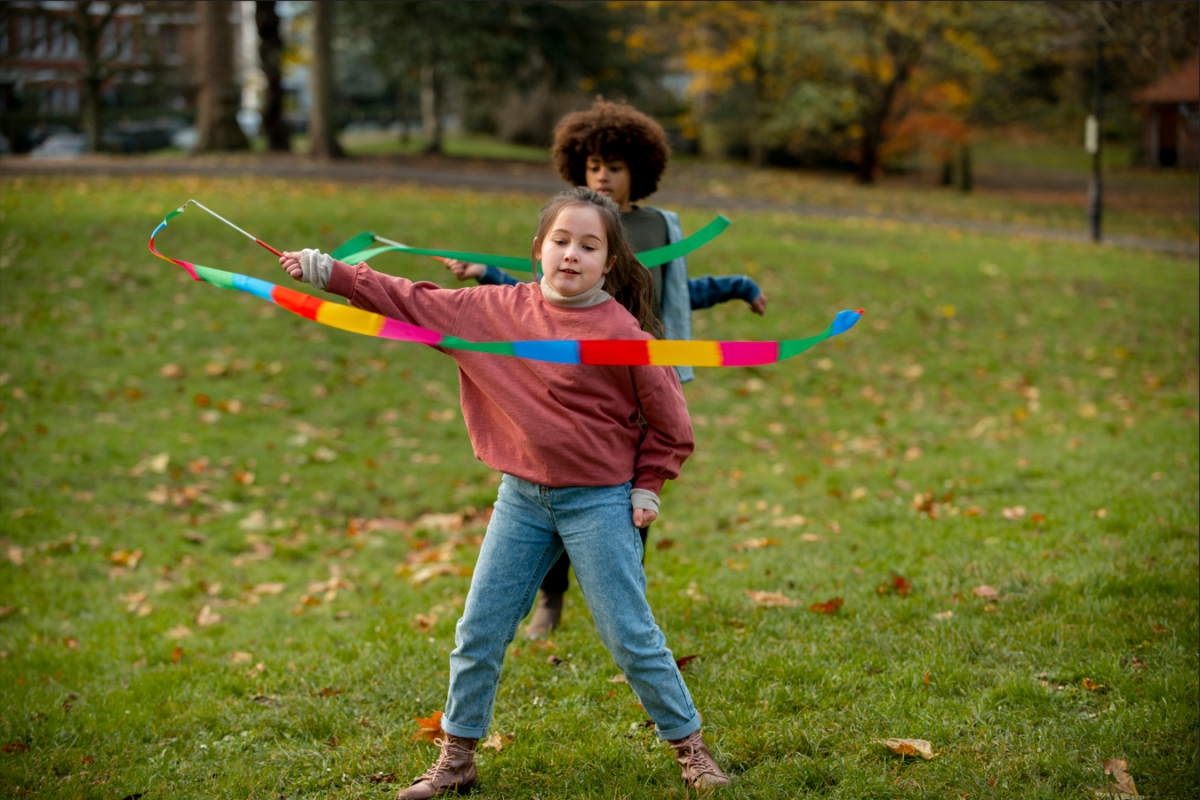
By the time lunch arrives, children have already spent hours learning, walking between classes, talking nonstop, and playing. Their bodies and brains are tired, even if they don’t say it out loud. A thoughtful school lunch helps them recharge without making them sluggish.
Instead of complicated meals or unfamiliar foods, kids usually respond better to:
- Simple, recognizable items
- Balanced portions that don’t overwhelm them
- Foods that feel light but filling
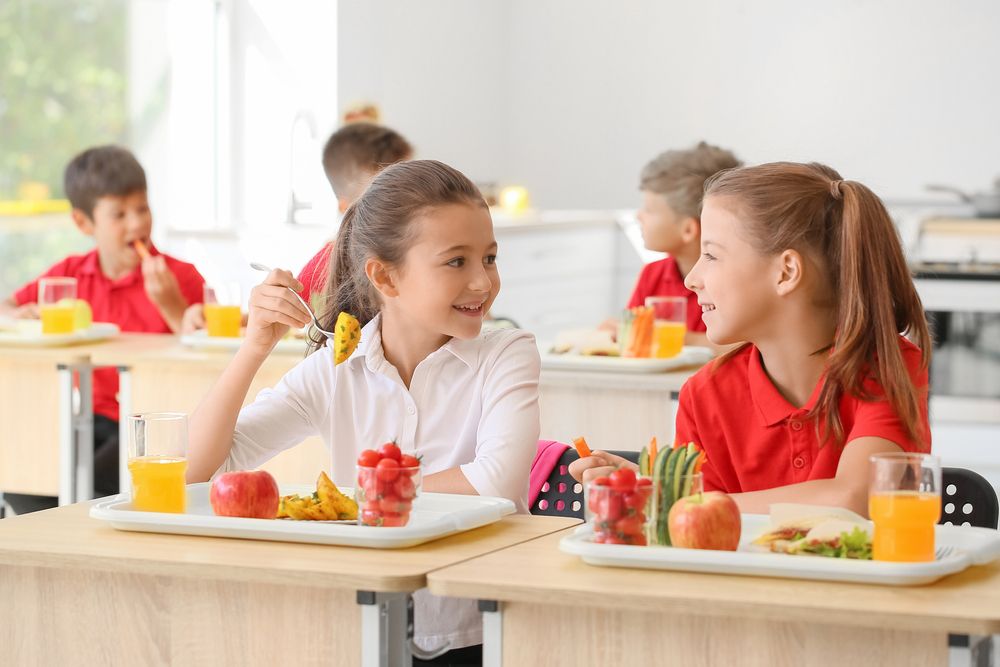
This same mindset is applied in well-planned lunch programs at schools, where meals are designed to support attention and learning rather than distract children with discomfort or energy crashes.
Why “Enough” Is Better Than “Extra”
Many parents pack extra food out of concern. No one wants their child to feel hungry during the day. But often, too much food leads to half-eaten lunches coming back home.
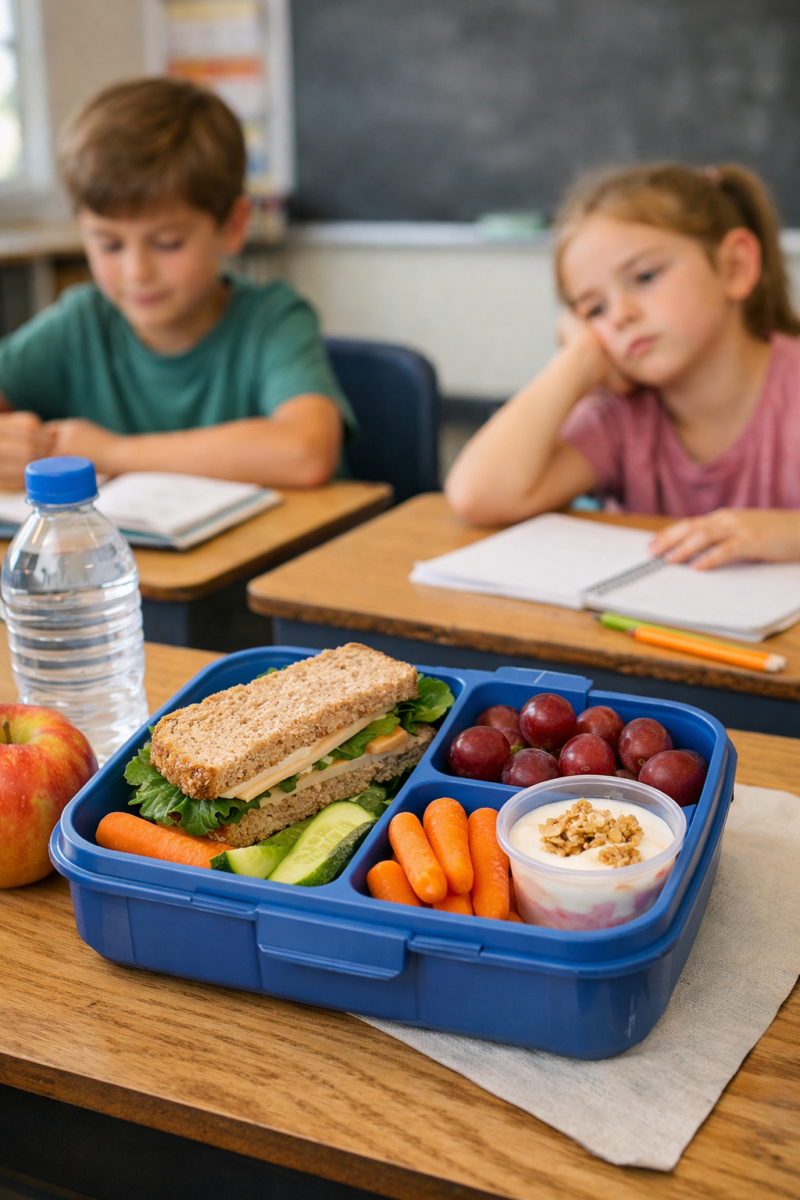
A better approach is packing just enough of the right foods. When kids eat a balanced school lunch, they tend to stay focused longer, feel calmer, and avoid that late-day exhaustion. This becomes especially important during lunch school hours, when energy naturally dips and concentration becomes harder.
Making Lunch Feel Normal, Not Forced
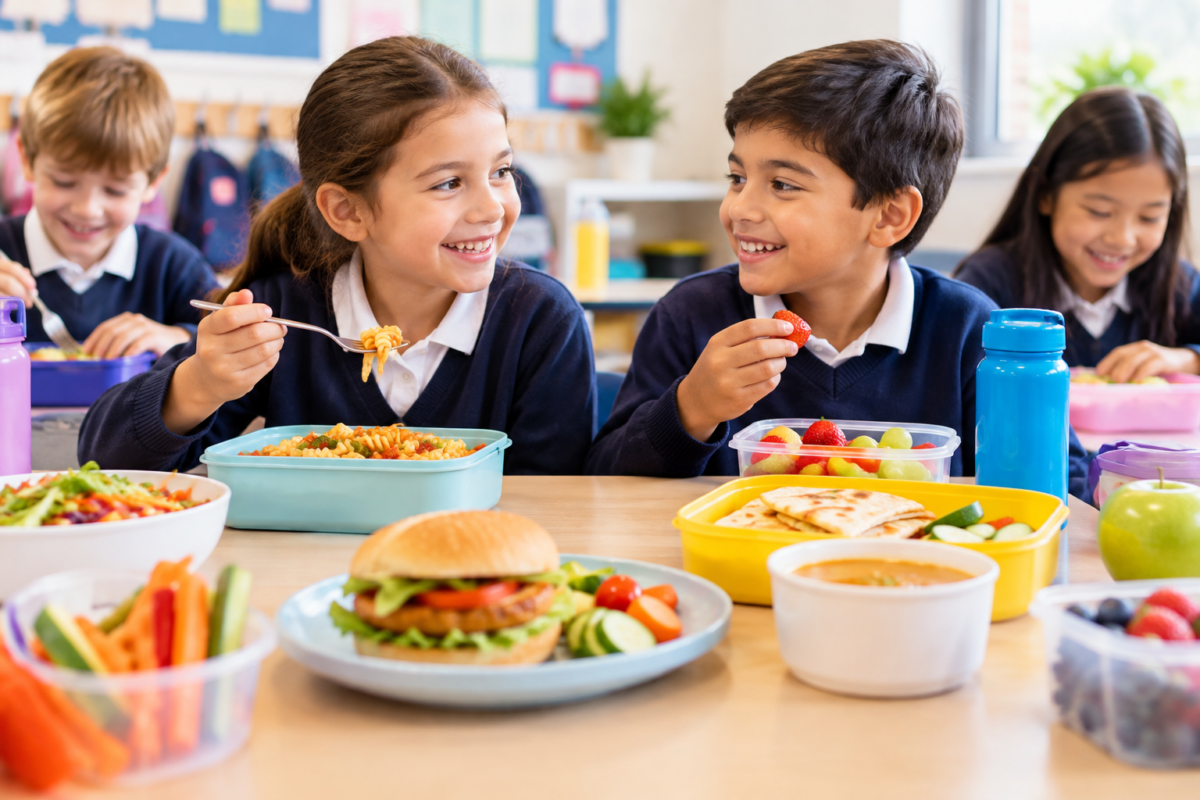
Children are very aware of what’s “normal” among their peers. When lunch feels too different or difficult to eat, they’re more likely to avoid it. A successful school lunch blends in effortlessly; it’s easy to open, easy to eat, and doesn’t require too much effort or explanation.
The goal isn’t to impress or experiment daily. It’s to make food approachable. Over time, familiarity builds comfort, and comfort leads to better eating habits without pressure.
Consistency Builds Better Habits
Kids thrive on routine. When they know what to expect from their school lunch, they feel more secure and are more likely to eat well. Consistency doesn’t mean boring, it means dependable.
This steady approach also helps children accept a healthy lunch without turning mealtimes into arguments. Slowly, without lectures or rules, kids learn what balanced eating feels like.
Where Kidssentials Fits In
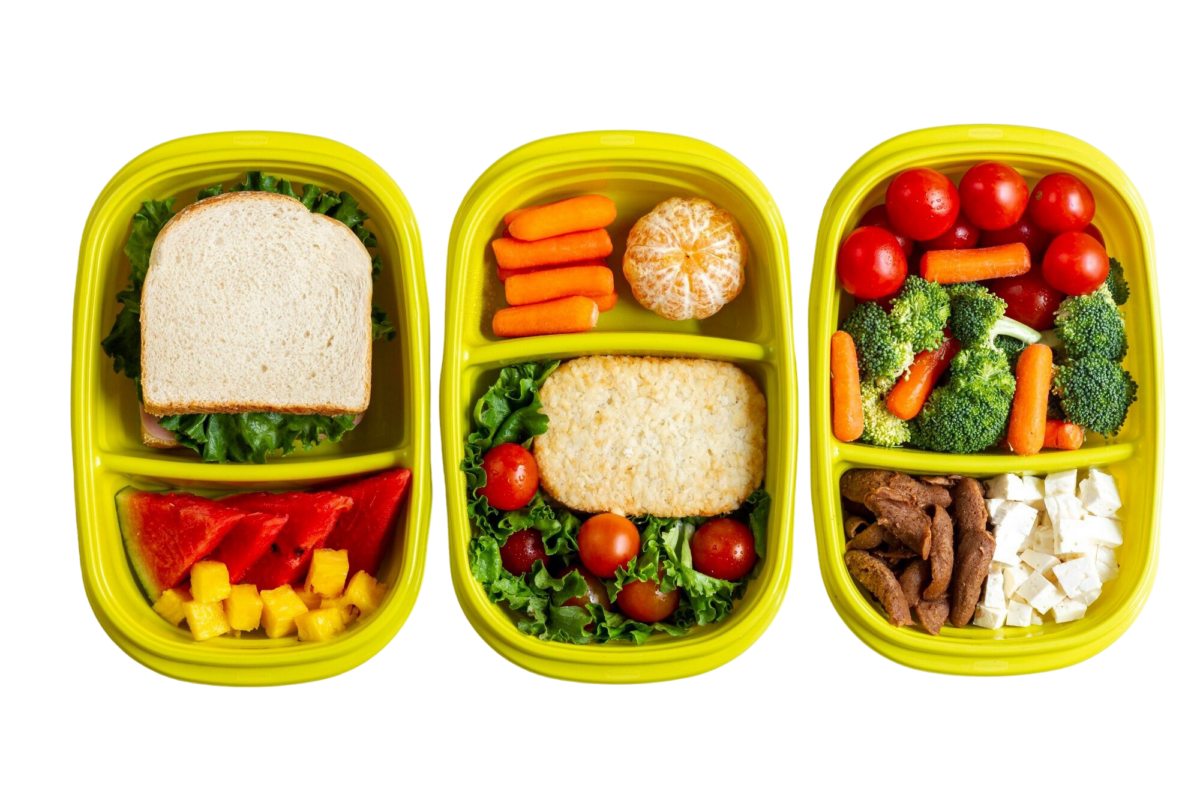
Kidssentials was created with real parents in mind—parents who want nutritious meals for their children but don’t want daily stress added to already busy mornings. Our focus is on making school meals simple, reliable, and enjoyable.
We prioritize:
- Balanced, kid-friendly meals
- Thoughtful portion sizes
- Planning that supports busy family routines
When parents know their child’s school lunch is already taken care of, mornings become calmer. And when kids eat well during the day, their energy, mood, and focus stay steady.
Closing Thought
A perfect school lunch doesn’t have to be creative every single day. It doesn’t need to be picture-perfect or complicated. It simply needs to be reliable, nourishing, and prepared with understanding.
Because when lunch works, everything else in a child’s school day feels just a little easier.